
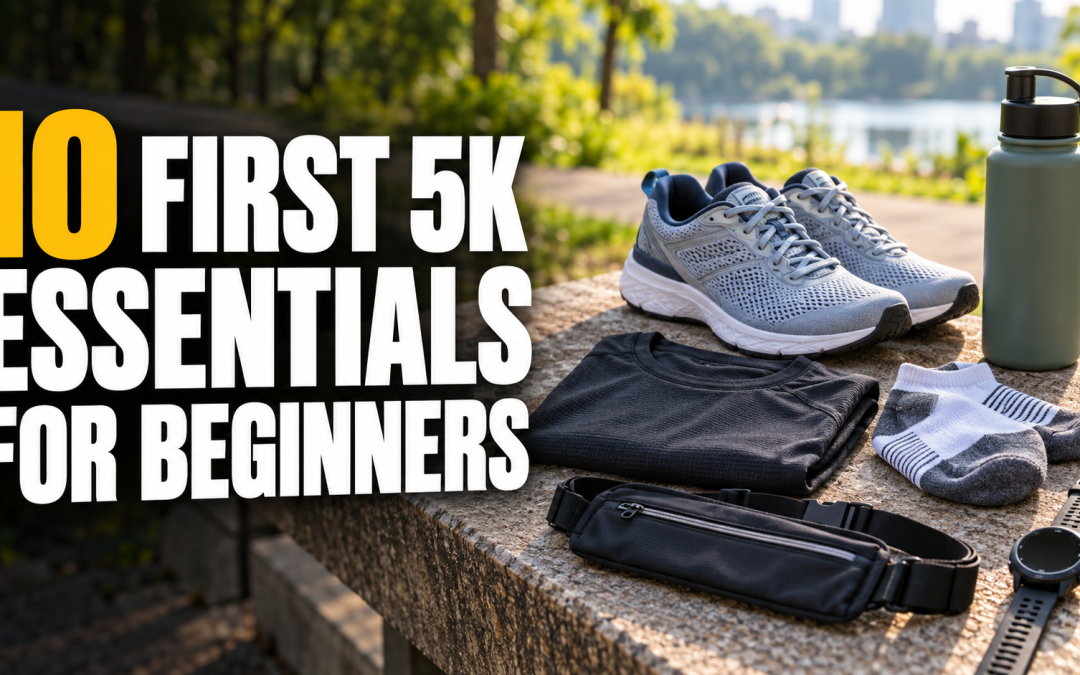
You have signed up for a 5K, your first 5k of all time, or at least decided to work towards it. Now you are wondering what to wear and whether you really need the watches, belts and specialist socks that keep appearing in your searches. Start with comfortable shoes and clothes. The rest depends on when and where you run. If you train after dark, look at visibility gear. If your phone keeps bouncing in your pocket, a belt may be worth buying. Here are ten things to consider for training and event day, with advice on what to look for. Use what you already own where it works, and leave the optional extras until you have a reason to buy them. So without further ado, here are ten products you may consider for your first 5k.
Disclosure: This article contains paid affiliate links. As an Amazon Associate I earn from qualifying purchases.
Start with what you already own
Before placing an order, try on the kit you have. Check whether your shoes feel comfortable, your clothes stay in place and you can carry anything you need without distraction. Then make a short list of actual problems. Perhaps your socks slip, your phone bounces or you cannot comfortably run in the available daylight. Let those problems guide your spending. For help getting started, the free NHS Couch to 5K plan combines walking and running, with rest days between sessions. It builds towards 30 minutes of running. Depending on your pace, running your first 5k may take longer. There is nothing wrong with that.
1: Comfortable running shoes
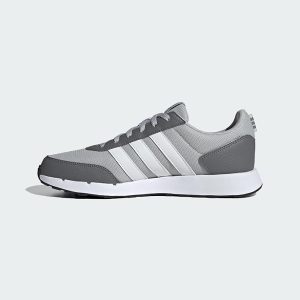
What could be more essential for your first 5k run than good footware. Take time to find shoes that feel comfortable. You will wear them on every training run, so fit matters more than the logo or a promise of extra speed. Try them with the socks you plan to run in. Look for a secure heel and enough room around your toes, without pressure points or excessive movement. If you are unsure about fit, a specialist running shop can help you compare options. Choose a design suited to your usual surface.
Road shoes and trail shoes serve different purposes, so think about where most of your training will happen. For an online order, check the seller’s size information and return conditions before buying. There is no single shoe that suits every beginner, and a high price does not guarantee a better fit. If your existing running shoes remain comfortable and in good condition, you may not need a replacement just because you have entered a race.
2: Running socks that stay in place
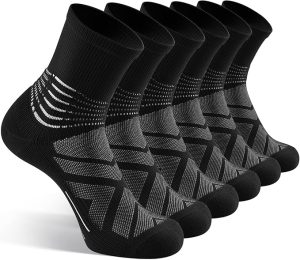
Socks are a small purchase, but a slipping heel or bulky seam can become distracting once you are moving. A suitable pair should fit closely without feeling restrictive or bunching inside your shoes. Check the size range, toe seams, cuff height and cushioning. Some runners prefer a thin sock; others like more padding. Try the socks and shoes together, since extra thickness changes the fit of the shoe. Look at the fabric description and washing instructions rather than relying on a vague claim that the socks are ideal for sport. If moisture management matters to you, compare the actual materials and construction. Specialist socks do not guarantee blister-free running. If you keep getting rubbing in one spot, examine the whole combination of sock fit, shoe fit and movement instead of assuming a more expensive pair will solve it.
3: A comfortable running top
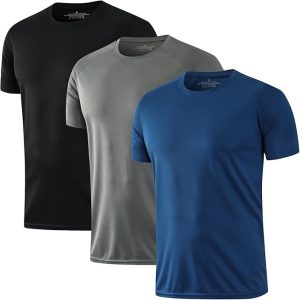
A running top is useful if your everyday T-shirt becomes heavy, clings uncomfortably or rubs during a session. Choose one that feels comfortable through the movement of your arms and shoulders. Check the material, seams and fit. A fabric designed to dry quickly may suit you better than a thick casual top, but comfort is personal. Do a short jog or brisk walk in it before committing it to race day. For cooler weather, think about how it works with your other layers. A top that is comfortable beneath a jacket can be more useful than one chosen only for the event photograph. One comfortable top may be enough to start with, provided you can wash and dry it between sessions. If you already have a sports top you like, keep using it.
4: Running shorts or leggings with a secure fit
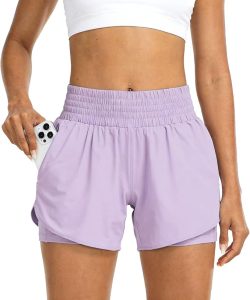
Choose bottoms that stay in place when you move. Constantly pulling up a waistband or adjusting a riding hem is an avoidable distraction during a run. Check the waistband, drawcord, seams and length. If you want pockets, confirm what they hold securely rather than judging their usefulness from a product photograph. A loose pocket can let a phone swing with every stride. Think about the lining too. Some shorts have a built-in liner, while others are designed to be worn with a separate layer. Try your intended combination on a training run to identify rubbing or uncomfortable bunching. There is no need to wear shorts if you prefer leggings or running trousers. Choose what feels comfortable and suits the weather.
5: A supportive sports bra if you need one
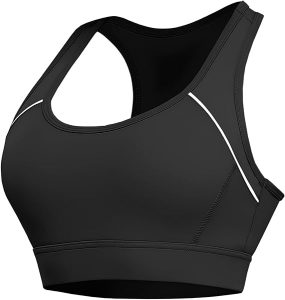
For runners who need breast support, a well-fitting sports bra can be an important part of comfortable kit. Running involves repeated movement, so choose a model intended for that level of activity. Check the brand’s measurements and fit guidance rather than assuming your usual clothing size will translate directly. The band should feel secure, with cups and straps that fit without digging in or requiring constant adjustment. Test it with movement and a few deep breaths. A bra that feels acceptable while standing still may feel different during a run. Pay attention to fastening placement and any seams that could rub beneath your top. If you already have a sports bra that is comfortable during running, there is no need to replace it for your first event.
6: A running belt for your phone and keys
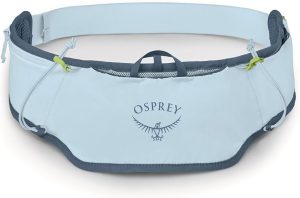
A slim running belt is useful when your clothing cannot securely hold a phone, keys or other small essentials. It can keep those items together without asking you to carry a bag. Measure your phone with its case on and check the pocket dimensions. Look for an adjustable fit, a dependable closure and a layout that keeps hard objects from pressing against your body. Be cautious with the term waterproof. Check what protection the manufacturer actually specifies; a belt that resists a light shower may not protect its contents in prolonged rain. Try the belt with your normal load before a longer outing. Overfilling it can change how it sits and moves. If the pockets in your shorts or leggings already do the job, you can skip the belt entirely.
7: Reflective gear for low light
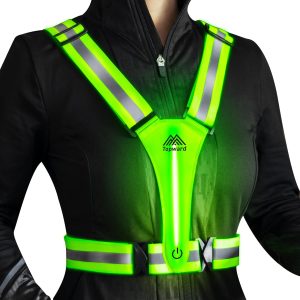
If you train around dawn, dusk or after dark, consider a reflective vest or other reflective accessory. Choose something you can wear comfortably over your usual layers, with reflective areas visible from several directions. Check the fit and fastening so it stays in place as you move. Reflective materials work by returning light from another source, so they serve a different purpose from a lamp that illuminates the path ahead. Visibility gear is part of planning a suitable route. The NHS recommends reflective clothing and well-lit routes for running in the dark. Equipment should not be treated as a guarantee that a driver or other road user has seen you. If all your runs happen in good daylight, this may be a later purchase. For an evening runner, it deserves attention before optional tracking gadgets.
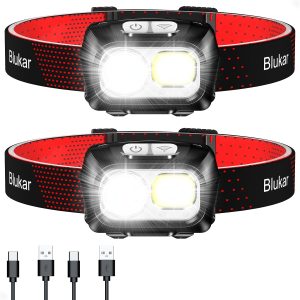
8: A running head torch when your route needs it
A head torch can help you see the surface ahead while leaving your hands free. It is useful where your chosen route needs additional illumination, but it does not make every dark route suitable for running. Look beyond the headline brightness figure. Compare the beam pattern, battery runtime at a usable setting, weight and how securely the strap fits. A very bright mode is less helpful if its runtime does not cover your outing. Check the stated weather protection and charging method. If the torch is rechargeable, build charging into your routine rather than discovering an empty battery as you leave home. Test it on a familiar route before relying on it. Adjust the beam to avoid dazzling others and choose daylight or a better-lit route when conditions make that the more practical option.
9: A reusable water bottle
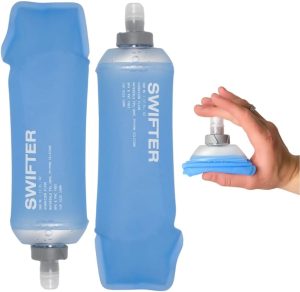
A reusable bottle is useful for keeping water available before and after training. If you want to carry water while running, a small handheld design may be more convenient than a large everyday bottle. Compare capacity, grip, closure and ease of cleaning. Check whether the bottle is comfortable to carry when filled and whether replacement parts are available for any specialist cap or valve. Whether you carry it during the run depends on the conditions, your time outdoors, your needs and access to water.
You do not have to copy another runner’s setup simply because they use a hydration vest. For an organised event, check the organiser’s water information before deciding what to bring. Try your carrying arrangement in training, and use a bottle you already own if it serves your needs. This is arguably the most vital essential tool for your first 5k, other than your actual running shoes, obviously.
10: A simple running watch if you prefer one
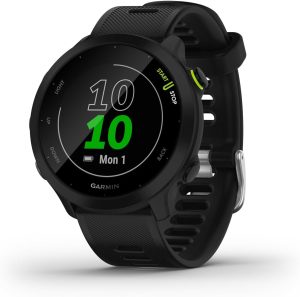
A watch can make it convenient to check elapsed time or follow run-and-walk intervals without taking out your phone. It is an optional tool, especially if your phone already provides the prompts you need. Start with the features you will actually use. An easy-to-read display, comfortable strap and simple timer controls may matter more to a beginner than a long list of training scores. If you want to record routes without carrying your phone, verify that the model has built-in GPS. Connected GPS usually relies on a paired phone. Also check battery life in GPS mode, app compatibility and any subscription requirements. Treat the distance and other readings as estimates. A watch is handy for timing intervals, but you can wait until you know which features you would use.
What to prioritise for your first 5k
Prioritise comfortable shoes, socks and clothing, including suitable breast support if needed. But as I mentioned earlier, access to water is crucial for your first 5k. In fact, it’s crucial for any serious running at all. Use the pieces you already have wherever possible. Next, address the practical requirements of your route. Low-light training may call for reflective gear and a light; inadequate pockets may justify a belt. Add a watch when its convenience is worth the cost to you. Buy gradually and test each addition during training. That gives you time to notice what improves your runs and what simply stays in the drawer.