

Two tubs can look much the same on a shop shelf and contain very different amounts of caffeine. The serving instructions can be just as different: one scoop on one label, several scoops on another. Before choosing the best pre workout supplements, check the caffeine in the amount the manufacturer calls a serving. Then consider the rest of your day, including coffee, tea, energy drinks and other supplements. This guide compares ten products using their manufacturers’ UK or European product information, checked on 13 October 2026. It includes a caffeine-free option and several products with matching caffeine amounts. The order is a comparison, not a ranking of which gives the best workout. This is just one metric to judge and rank the best pre workout supplements, but I think it’s an especially effective one.
Disclosure: This article contains paid affiliate links. As an Amazon Associate I earn from qualifying purchases.
The Best Pre Workout Supplements Compared?
One scoop is not a meaningful comparison between brands. Scoops differ in size, and the recommended serving may contain more than one. Follow the measured amount and instructions on your particular pack. Adding more water changes the concentration and taste, but it does not remove caffeine from the powder. A serving containing 200mg still contains that amount when diluted into a larger drink. Also read the full ingredients and warnings. Caffeine alone does not tell you everything about a pre-workout, especially if it contains other stimulants. A natural source of caffeine is still a source of caffeine.
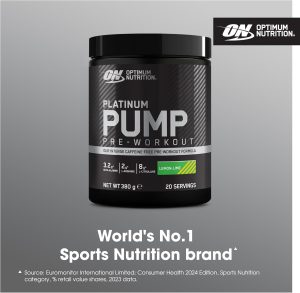
1: Optimum Nutrition Platinum Pump Caffeine Free
Declared caffeine: 0mg. The manufacturer describes this version as caffeine-free and gives a 19g serving, approximately two rounded scoops.
This is the reference point for anyone comparing products without added caffeine. It sits alongside caffeinated Platinum products, so look for the full Platinum Pump Caffeine-Free name rather than relying on the colour or brand of the tub. Caffeine-free does not mean you can ignore the ingredients, allergens or serving instructions. It also does not establish that the formula suits every reader. If caffeine is the ingredient you want to avoid, however, this is the relevant version to check.
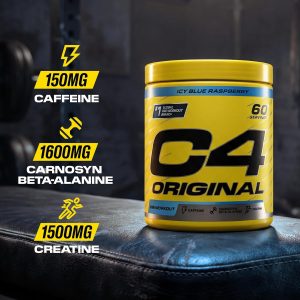
2: Cellucor C4 Original (UK)
Declared caffeine: 150mg. The UK manufacturer page lists a 6.9g serving for the version referenced here.
C4 Original has 50mg less caffeine per declared serving than the 200mg products in this comparison. That is a numerical difference, not a promise that it will feel mild or suit a beginner. The important buying detail is the formulation. C4 is a wider range, and different generations or regional products can carry different labels. Match the caffeine amount and serving information before assuming a similarly named Amazon listing is the same tub.
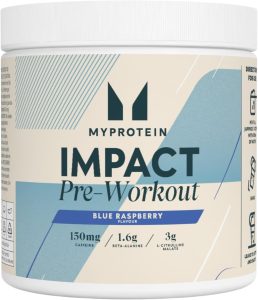
3: Myprotein Impact Pre Workout (UK)
Declared caffeine: 150mg per manufacturer-stated serving.
On caffeine alone, this matches the C4 Original version above. Choosing between them therefore needs another comparison, such as the ingredient list, dietary requirements or cost per labelled serving. Myprotein notes that nutritional information can vary by flavour. Its product range also includes different variants, so check the selected flavour and directions instead of borrowing a scoop weight from an older page or another tub. The 150mg figure here is the UK product page’s declared amount.
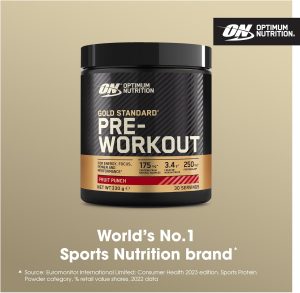
4: Optimum Nutrition Gold Standard Pre Workout
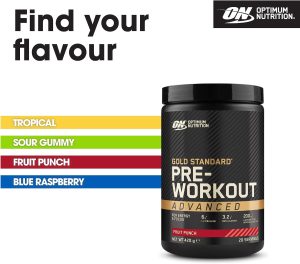
Declared caffeine: 175mg per serving. The referenced UK/EU page describes the serving as one level scoop.
This falls between the 150mg and 200mg products in the table. The difference is 25mg in either direction. Whether that matters to your choice depends on your overall intake and how you respond to caffeine. Confirm that the listing is for Gold Standard Pre-Workout powder. The brand sells other pre-workout products, and the powder’s figures should not be copied onto a shot or another formula just because the packaging has the same logo.
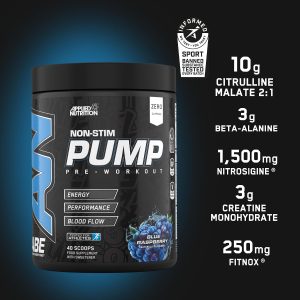
5: Applied Nutrition ABE Powder
Declared caffeine: 200mg per serving. The current 375g product page gives a 12.5g serving and says scoops are estimates, recommending weighing scales.
Older ABE information can show different serving weights. Use the directions on the actual pack rather than assuming a serving weight remembered from a previous tub still applies. Check the product name carefully as well. ABE includes powders, drinks and other formulations. The caffeine figure may match another ABE product, but the ingredients and method of use are separate details.
6: Bulk Pre Workout Advanced
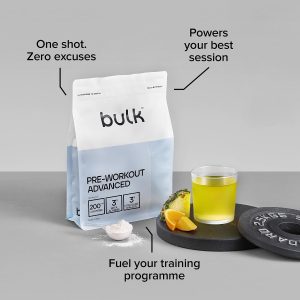
Declared caffeine: 200mg in a serving of approximately 17g.
The manufacturer specifies approximately one scoop for that serving. Check its full directions and warnings rather than treating the scoop as interchangeable with another brand’s measuring tool. This shares its declared caffeine amount with Bulk Dope and several other products below. If you are choosing between them, compare their ingredient lists and the price per stated serving. The names do not establish a difference in caffeine.
7: Bulk Dope Pre Workout
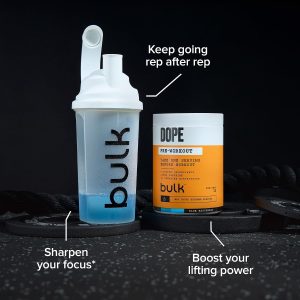
Declared caffeine: 200mg per approximately 17g serving, according to the UK page’s caffeine warning and directions.
Despite the different product name, the caffeine amount matches Pre-Workout Advanced in this comparison. That makes it a useful example of why a product described as more intense should not automatically be assumed to contain more caffeine. Read the other ingredients before deciding whether the formula offers anything you want. If comparing value, use the number of full 17g servings rather than the headline weight of the bag alone.
8: Myprotein THE Pre Workout (UK)
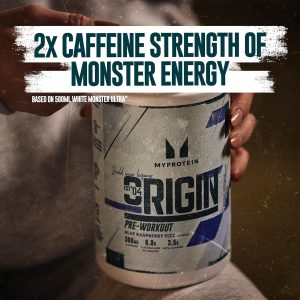
Declared caffeine: 200mg per manufacturer-stated serving.
This is 50mg more than Impact Pre-Workout’s declared 150mg. That does not establish that it is the better choice, nor does it describe the differences between their other ingredients. Regional versions of THE Pre-Workout can differ. Match the UK formula discussed here and read the measured serving on the specific pack. Do not use a US page or an old sample label to calculate the caffeine in a current UK purchase.
9: Optimum Nutrition Platinum Pre Workout
Declared caffeine: 200mg per 21g serving. The manufacturer describes that as approximately three level scoops.
This is the clearest reminder in the table that one scoop and one serving are different concepts. The 200mg comparison refers to the full stated serving, not one of its three scoops. Check that you are looking at Platinum Pre-Workout, rather than the Platinum Pump Caffeine-Free version. They appear at opposite ends of the caffeine comparison even though their names share the same brand and range.
10: Applied Nutrition ABE Performance Drink
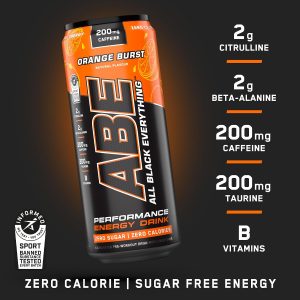
Declared caffeine: 200mg per can of the referenced ready-to-drink formulation.
Last on our list of the best pre workout supplements is an offering from Applied Nutrition. This can offers a prepared format with no powder to measure or mix. Its declared caffeine matches a serving of ABE powder, but that does not mean the rest of the formula is identical. When buying a multipack, check the caffeine in one whole can. A nutrition panel expressed per 100ml is a different measurement. Also match the can size and product variant rather than extending this figure to everything in the ABE drinks range.
Put the caffeine figure in context
Food Standards Agency guidance advises avoiding supplement servings above 200mg of caffeine and more than 400mg from supplement servings across the day. It also stresses accounting for caffeine from other sources. Those figures are not targets to work towards. EFSA’s assessment says single caffeine doses up to 200mg and daily intake up to 400mg, spread through the day, do not raise safety concerns for the general healthy adult population. This is not a guarantee of comfort or suitability for an individual. EFSA also notes that 100mg near bedtime can affect sleep in some adults.
Follow the product’s warnings, including restrictions for children, pregnancy and breastfeeding. If you have a health condition, take medication or have concerns about caffeine, ask an appropriate healthcare professional before using a caffeinated supplement. For an evening session, the best pre workout supplements probably do not contain any caffine at all. Taking a lower-caffeine product does not automatically remove its potential to affect sleep. You can also train without a pre-workout supplement.
Compare price per serving rather than per tub
Price is indeel a factor in choosing the best pre workout supplements, if we’re being honest. Divide the price by the number of stated servings to compare cost. Check that the advertised serving count uses the same portion as the caffeine amount you are comparing. Keep caffeine out of a more-is-better value calculation. A product with more caffeine per pound is not automatically a better purchase. Look for the formulation, amount and packaging that fit your needs, and verify the actual label before using it.